This article was originally published on October 28, 2024. It has been updated to reflect current information about concrete resurfacing.
If your concrete patio, balcony, walkway, or driveway is showing its age, your first instinct might be to replace it. Fortunately, that often isn’t necessary. Concrete resurfacing gives worn concrete a second life at a fraction of the cost of demolition and replacement.
Today’s resurfacing systems repair surface damage, improve appearance, and add years of service life without removing the existing concrete. For many Orange County property owners, resurfacing has become the smarter financial and environmental choice.
Concrete Resurfacing Costs Less Than Replacement
Complete concrete replacement is expensive. Before new concrete can be poured, contractors must demolish the existing slab, haul away debris, prepare the base, build forms, reinforce the concrete, and pour a new slab. Every step adds labor, equipment, disposal fees, and material costs.
Concrete resurfacing eliminates most of those expenses.
If the existing concrete remains structurally sound, contractors repair cracks, level minor imperfections, and apply polymer-modified resurfacing products that create an entirely new wear surface. The existing slab stays in place, dramatically reducing labor and disposal costs.
For homeowners and property managers, resurfacing often delivers a like-new appearance while saving thousands of dollars compared to complete replacement.
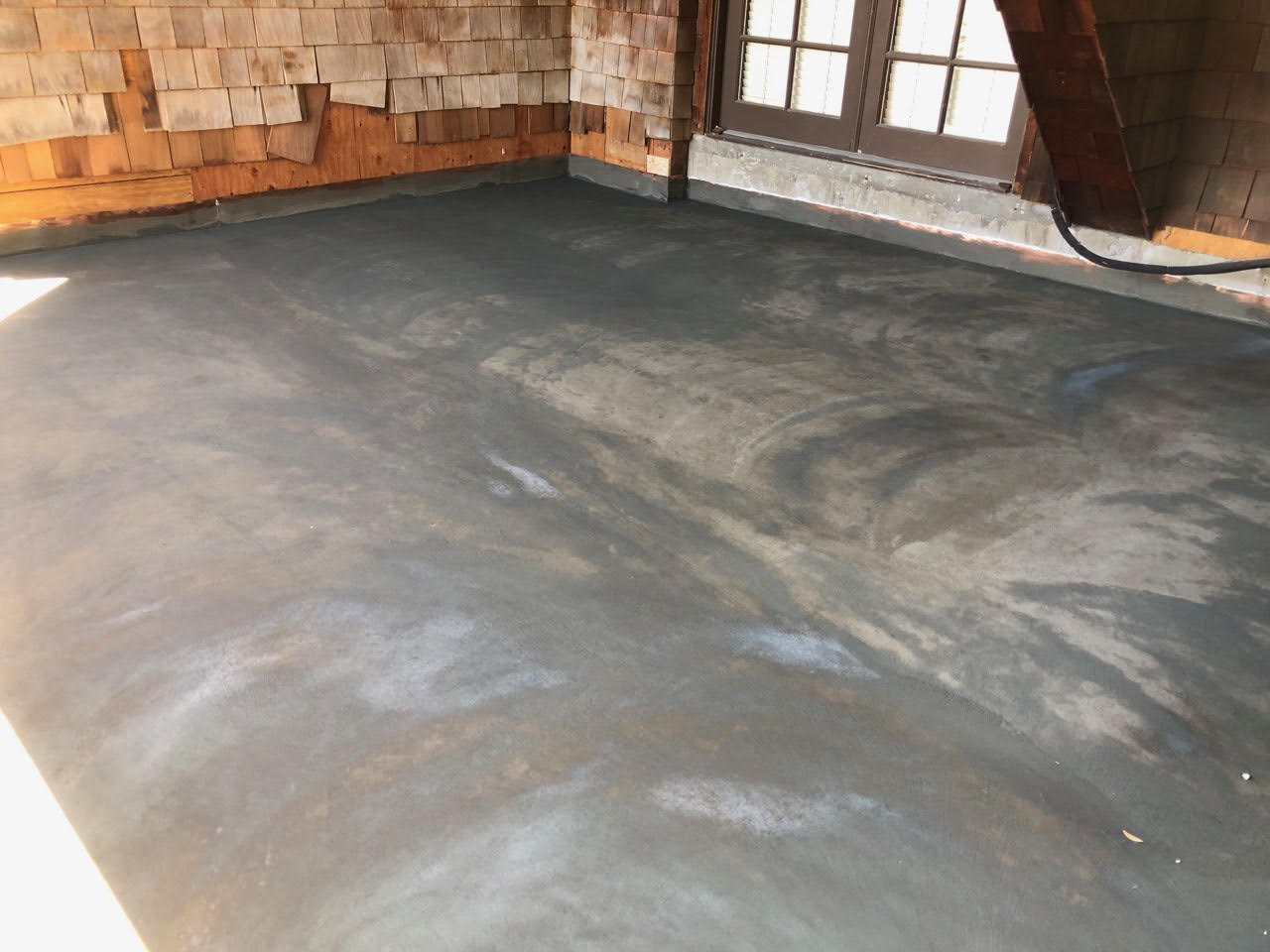
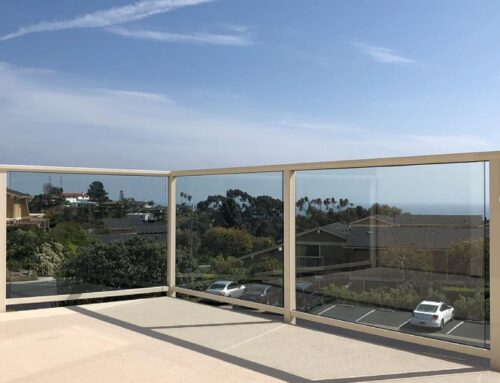
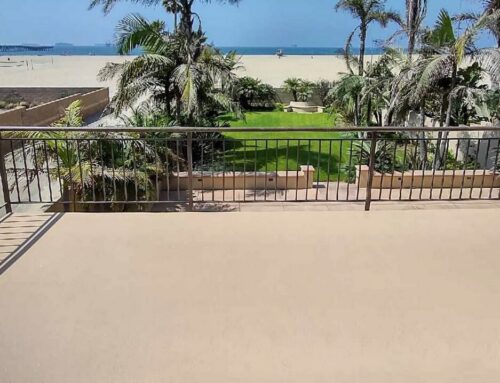
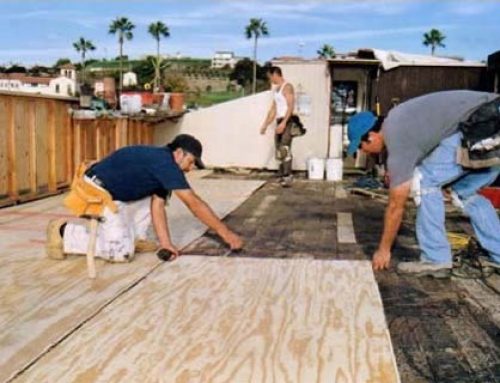
Resurfacing in process
Reuse Instead of Replace
One of the biggest trends in commercial construction and property maintenance is extending the life of existing building materials whenever possible.
Concrete resurfacing supports that philosophy.
Instead of sending tons of broken concrete to a landfill, resurfacing preserves the existing slab while restoring its appearance and functionality. Fewer demolition materials leave the jobsite, fewer replacement materials need to be manufactured, and fewer truckloads travel to and from the property.
According to the U.S. Environmental Protection Agency’s Sustainable Materials Management program, extending the useful life of existing building materials helps reduce waste and conserve natural resources.
When the concrete itself remains structurally sound, resurfacing is often the more sustainable solution.
Less Downtime Means Less Disruption
Another advantage of concrete resurfacing is speed.
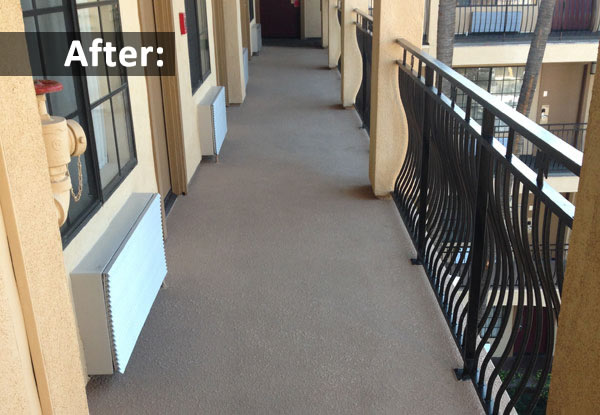
Modern polymer-modified resurfacing systems cure much faster than newly poured concrete. Many pedestrian surfaces can reopen within about 24 hours, depending on the products used and weather conditions.
That shorter turnaround makes resurfacing especially attractive for apartment communities, HOAs, commercial properties, and busy households where sidewalks, patios, and entryways need to return to service quickly.
Less downtime also means less inconvenience for residents, tenants, customers, and employees.
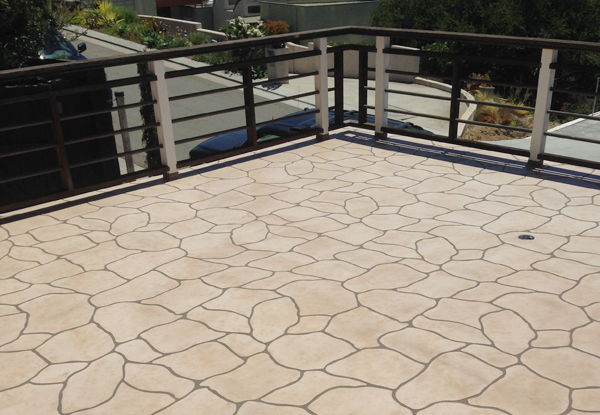
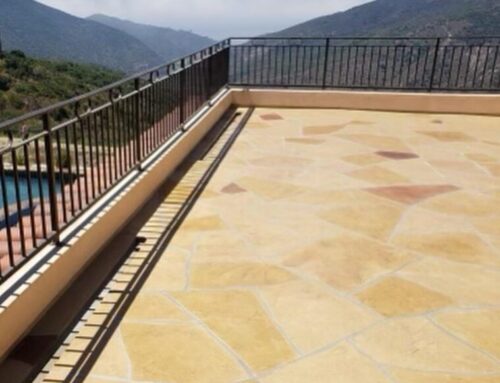
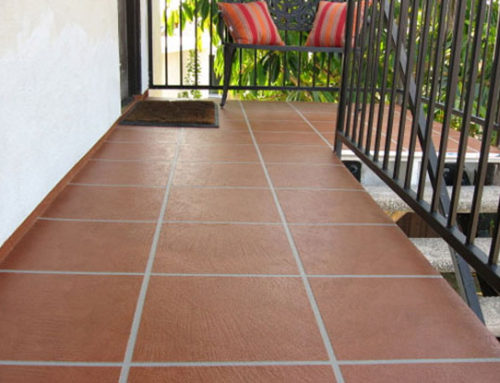
Concrete resurfacing emulates many looks
A Fresh Look Without Starting Over
Concrete resurfacing is about much more than repairing cracks.
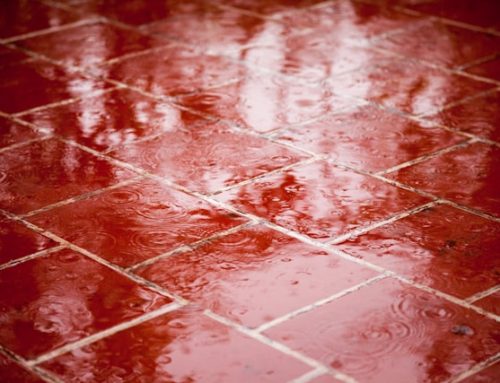
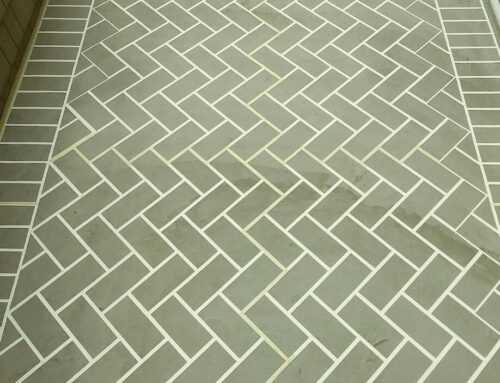
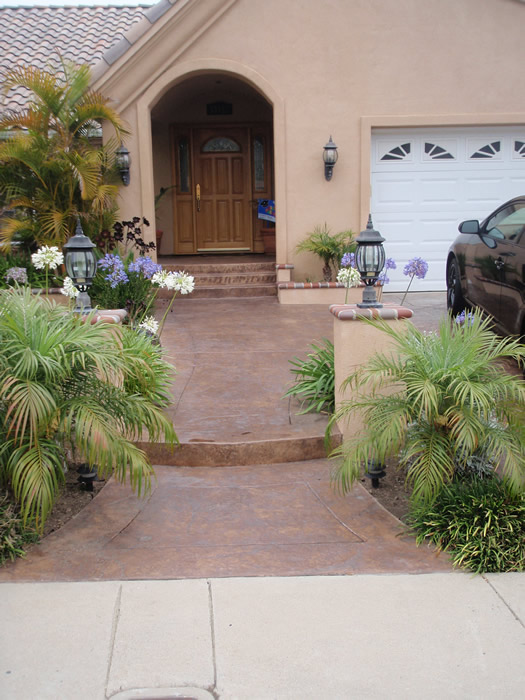
Today’s decorative resurfacing systems can recreate the appearance of natural stone, slate, flagstone, tile, or custom textures. Color stains, scoring patterns, and decorative finishes allow property owners to transform aging concrete into an attractive feature that complements the surrounding architecture.
The result is a completely refreshed surface without the expense of starting from scratch.
Orange County Concrete Resurfacing Pros
Not every cracked slab requires demolition.
In many cases, concrete resurfacing provides a durable, attractive, and cost-effective alternative that extends the life of existing concrete while minimizing waste.
Whether you want to restore a weathered patio, refresh a pool deck, repair a balcony, or improve a commercial walkway, Crank Waterproofing, Decking and Roofing has the experience to recommend the right resurfacing system for your property.
Contact Crank and get a free estimate!