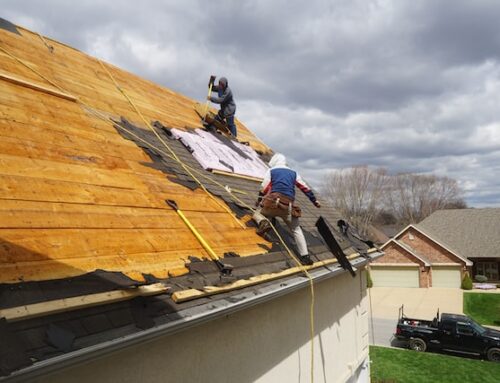
Great epoxy garage floors require more than experience with coatings. They come from pros who understand concrete, water, and how moisture moves through a slab. At Crank Waterproofing, Decking and Roofing, that knowledge comes from decades of waterproofing experience.
We’ve been keeping water out since 1945.
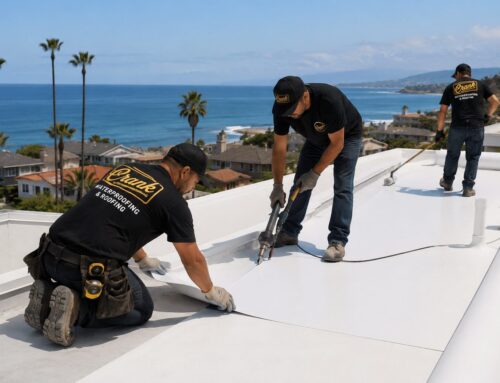
Over the years, the surfaces have changed, but the basic challenge hasn’t. Whether we waterproof a deck, protect a roof, or coat a garage floor, we understand where moisture comes from, where it wants to go, and we stop it cold.
A garage floor just presents another concrete surface that needs protection.
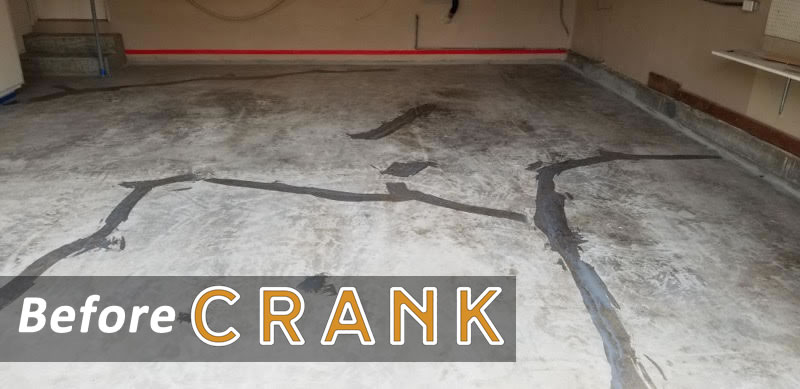
Cracks are filled first
Lasting Epoxy Garage Floors Start With Understanding Concrete
Concrete looks solid, but it is porous. Moisture moves through it as liquid or water vapor.
That matters when coating a concrete garage floor.
The American Concrete Institute guide on concrete coated with moisture-sensitive flooring specifically addresses moisture movement. It examines moisture movement, vapor retarders, testing, and other factors that affect epoxy coating performance.
Pros know that what happens underneath an epoxy coating matters just as much as what happens on top.
Blistering, bubbling, delamination, or other coating failures result, along with unhappy customers.
Crank Waterproofing knows that moisture evaluation is an important part of any coating job.
Waterproofing Experience Changes How You Look at a Garage Floor
Crank Waterproofing knows to look for water before it creates trouble.
Deck waterproofing requires attention to drainage, cracks, penetrations, transitions, and places where water can enter the structure. Roof waterproofing requires the same mindset. Water rarely announces exactly where it entered. It follows paths, finds weaknesses, and moves through materials.
Concrete presents its own version of that challenge.
Moisture can enter from above, migrate through a slab, or move upward as vapor from below. Existing slabs may also have unknown conditions beneath them.
Understanding those possibilities helps us evaluate the concrete before coating it.
Preparation Is Part of the Waterproofing Process
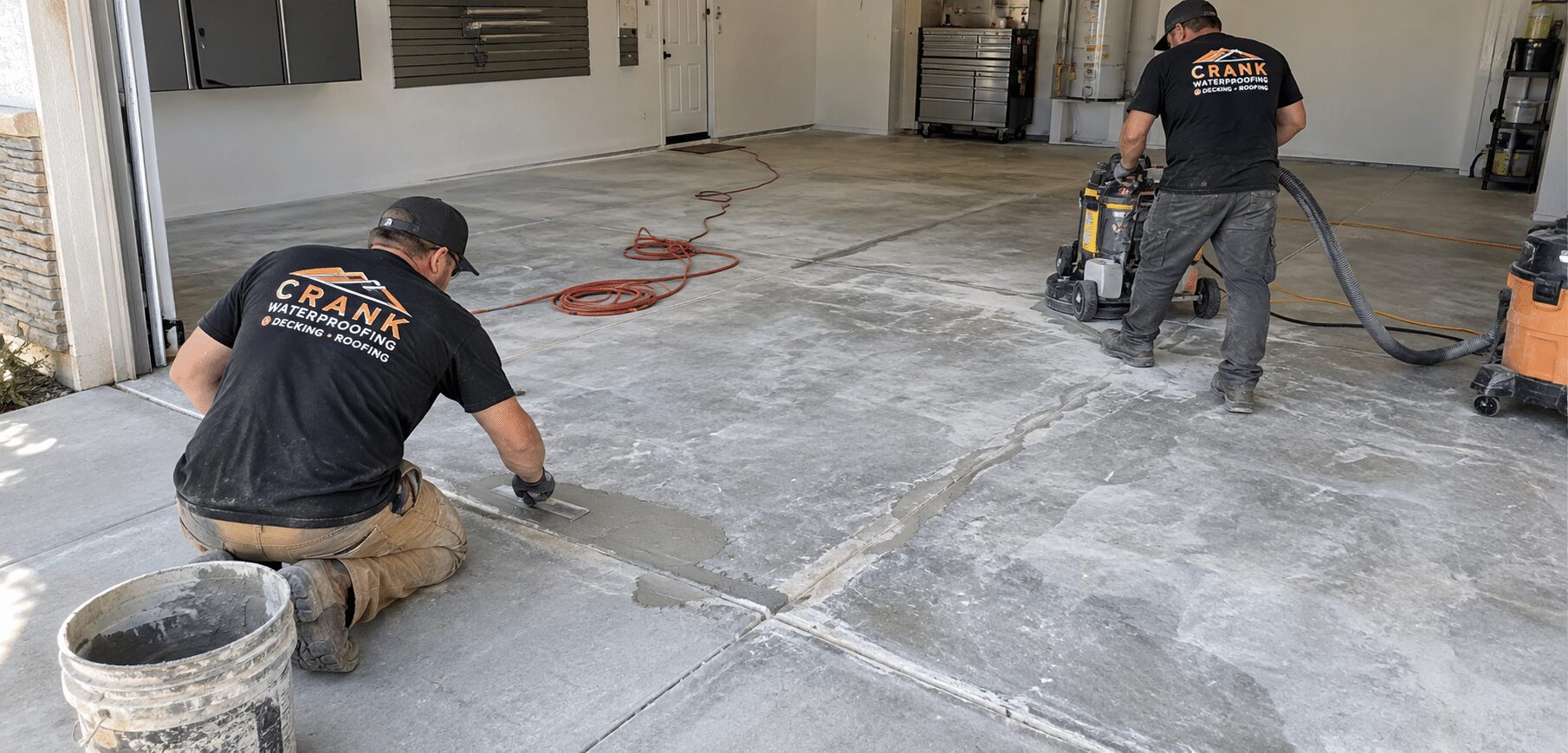
Installing a garage coating isn’t simply a matter of rolling epoxy over clean concrete.
The condition of the slab determines what happens next.
We look at cracks, previous coatings, contamination, surface condition, and signs of moisture problems. Proper surface preparation creates the profile needed for the coating to bond with the concrete.
That approach comes naturally when you think like a waterproofing contractor.
You don’t start with the product. You start with the surface you’re trying to protect.
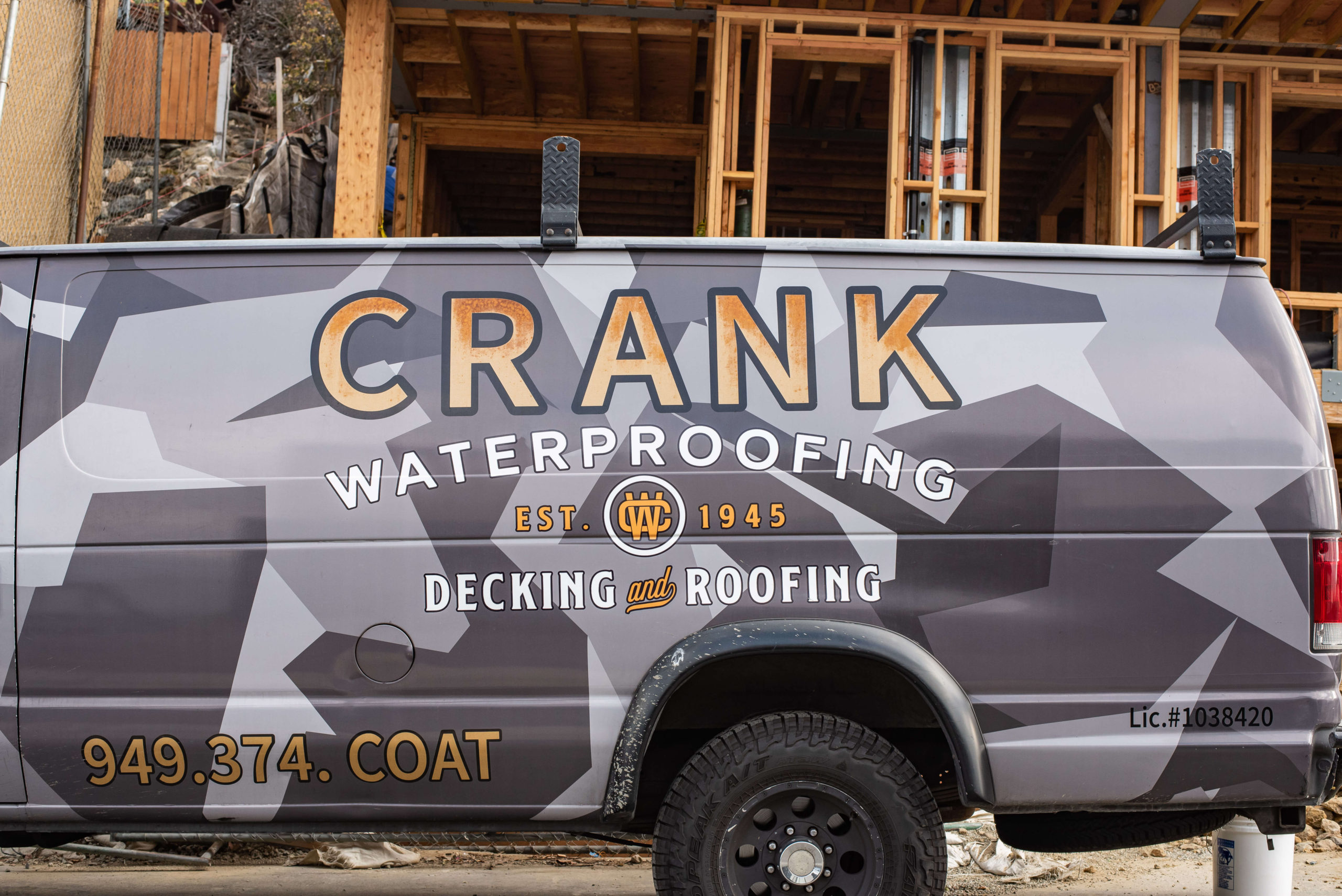
The Same Principle Applies From the Roof to the Garage
For decades, Crank has controlled moisture on roofs, decks, balconies, and other exposed surfaces throughout Orange County.
Garage floor coatings extend that experience to another part of the home.
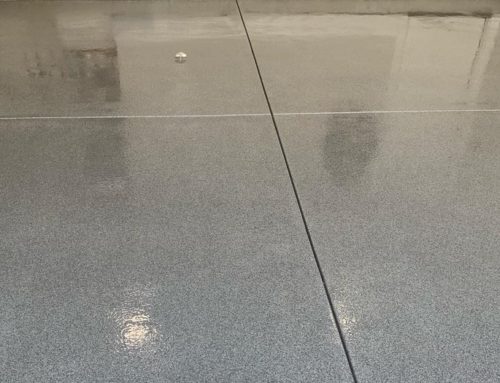
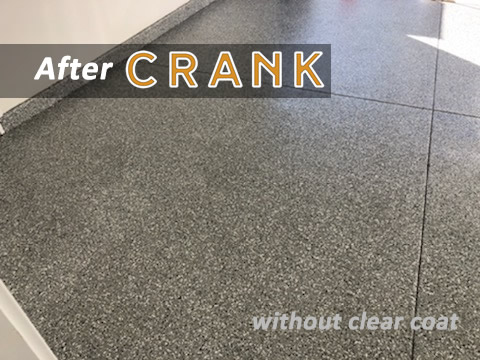
An attractive finish certainly matters. Color, texture, gloss, and decorative flakes can transform a garage. But appearance isn’t the only consideration.
The coating must work with the concrete beneath it.
We’ve been keeping water out since 1945. Epoxy garage floors simply give us another way to put that waterproofing experience to work protecting concrete.