
You spot a brown stain spreading across the ceiling. Naturally, you assume the roof directly above that spot leaks, and that’s the spot that needs roof repair.
Maybe. Maybe not.
Water rarely makes roof repair that simple. It can enter through one area, travel along decking or framing, and appear inside several feet away. Locating the actual entry point is where Orange County roof repair begins.
Fail to fix the right spot, and the leak may return with the next rain.
Roof Repair Starts With Finding The Entry Point
A roof includes much more than what you see from the street. Tiles, shingles, membranes, flashing, underlayment, vents, valleys, and crickets work together to keep water out.
Any failure of these components can let water inside.
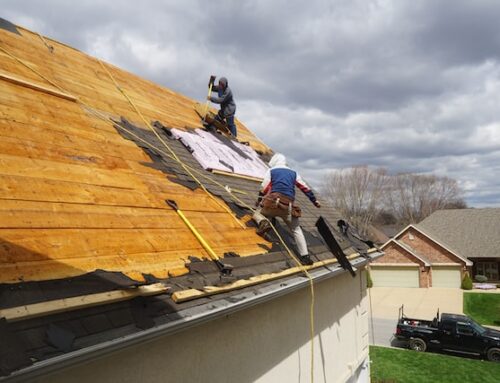
Once water penetrates the outer roofing material, it can follow the slope of the roof deck. It may run along framing or collect before dripping into the attic. Eventually, it reaches insulation, drywall, or another interior surface.
The stain tells you where the water stopped. It doesn’t necessarily tell you where it entered.
Common Roof Leak Sources
Missing or visibly damaged roofing material obviously needs repair. However, experienced roofers also inspect the less obvious areas.
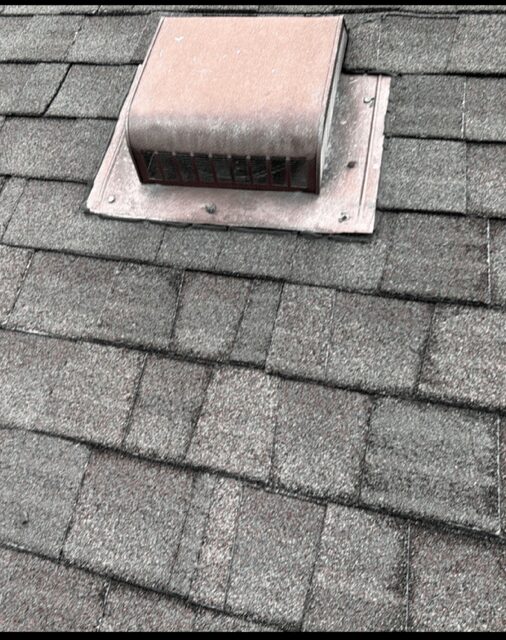
Flashing often creates trouble around chimneys, walls, skylights, and other transitions. Roof penetrations for plumbing vents and other equipment create additional opportunities for water intrusion.
Valleys also require careful inspection. They handle large amounts of runoff because two roof slopes meet there. Damage or deterioration in a valley can allow water beneath the roofing system.
Tile roofs create another challenge. A cracked or displaced tile may expose the system underneath. However, replacing that tile may not solve the leak if water has already found another route through damaged underlayment.

When it rains, it pours in Orange County
Orange County Weather Can Complicate the Search
Southern California doesn’t receive rain throughout the year. That long dry season (May to September) can allow small roofing problems to go unnoticed.
Then a storm arrives.
Wind can make matters worse. Wind-driven rain doesn’t always fall straight down onto a roof. Strong winds can push water toward flashing, underneath loose materials, and into vulnerable transitions.
That helps explain why a leak might appear during one storm but remain completely dry during another.
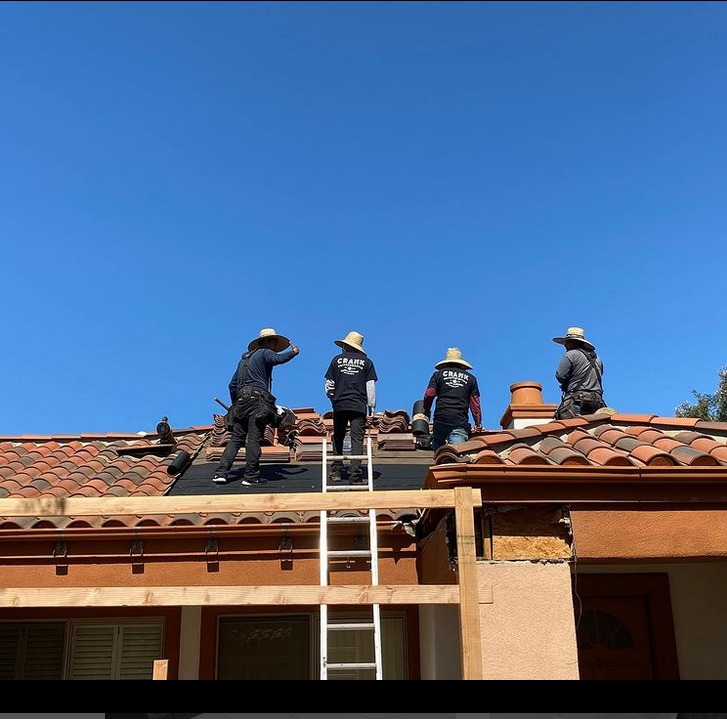
This repair requires a crew
Finding the Leak Before Making the Repair
Effective roof repair requires more than covering the area above a ceiling stain.
A roofer needs to evaluate the visible damage, surrounding roofing materials, flashing, penetrations, drainage paths, and the underlying roofing system. When accessible, an attic inspection can provide additional clues about the path water followed.
This detective work matters.
Repairing the first suspicious spot might stop the leak. Finding the actual source provides much greater confidence that it stays stopped.

No leaks – No problems
Good Roof Repair Solves the Problem
A roof leak gives you evidence that water got inside. It doesn’t give you the complete answer.
That’s where roofing experience becomes important. Different roofing systems fail in different ways, and water can hide the source of the problem surprisingly well.
When you need roof repair in Orange County, don’t just repair the spot where the water appears. Find where the water entered, determine why it got through, and repair the source of the problem.
That’s how you stop chasing leaks and start fixing them.